
Following up with playlist curators is the step most independent artists skip, and it costs them placements. A single pitch rarely lands on its own. Curators receive dozens of submissions weekly, and a well-timed, professional follow-up puts your name back in front of them without burning the relationship. Playlist Pilot reports an average curator response rate of 47%, which shows that personalized, thoughtful outreach genuinely works. This guide covers exactly when to reach out, what to say, and how to track it all.

Get your curator follow-up ready in seconds
Enter the curator's email address and we'll prepare an optimized follow-up message and the best time to send it.
When and how to follow up with playlist curators after your initial pitch
Timing is the single most important variable when you reach out to music curators after a pitch. The optimal follow-up window is 5 to 8 days after your initial message. That gap gives curators time to review submissions without making you look impatient.
Waiting fewer than five days signals desperation. Waiting more than ten days lets the conversation go cold. The sweet spot keeps you top of mind while respecting the curator's process.
When you do reach out, keep the message short and professional. Your goal is a gentle reminder, not a second pitch. Reference your original submission by track title and date so the curator can find it quickly.
Here are the core rules for a strong follow-up message:
- One follow-up only. If you get no response after your second message, move on without spamming the curator. Repeated messages without new context damage your reputation.
- Use email as your primary channel. Direct messages on Instagram or Twitter are acceptable only if the curator explicitly lists them as a contact method.
- Reference the specific playlist. Name the playlist you pitched for. Generic messages get ignored.
- Add something new. If your track gained streams or press coverage since your first pitch, mention it. New context gives the curator a reason to reconsider.
- Keep the subject line clear. Something like "Follow-up: [Track Name] for [Playlist Name]" removes all ambiguity.
What to include in your follow-up message for best results
The content of your follow-up determines whether a curator reads it or deletes it. Concise communication increases the chance your message gets read and valued. Every word needs to earn its place.
A strong follow-up message covers five things in this order:
- A brief, genuine thank-you. Thank the curator for their time and for running the playlist. This sets a respectful tone before you ask for anything.
- A specific reference to their playlist. Name the playlist and mention one thing you genuinely like about it. Personalizing your message by referencing curator names and specific playlists leads to higher response rates than generic mass emails.
- A short performance update. Share one or two relevant numbers. Stream counts, saves, and playlist reach are the metrics curators care about. An example: "The track has reached 4,200 streams and 310 saves since release." Skip the biography and skip the attachments.
- A clear, polite reminder of your track. Restate the track name and include the Spotify link. Make it effortless for the curator to find your music.
- A low-pressure close. End with something like "No worries if it's not the right fit right now." This removes any sense of obligation and makes you easier to say yes to later.
Include only relevant data such as streams, saves, and playlist reach. Lengthy artist biographies and unrelated attachments reduce the chance your message gets read.

How to track your outreach and follow-ups with playlist curators
Disorganized outreach is the fastest way to duplicate pitches, miss follow-up windows, and lose track of which curators have already said no. Tracking outreach systematically using tools or spreadsheets to log curator names, playlist links, pitch dates, and responses improves follow-up effectiveness. It also prevents the embarrassing mistake of pitching the same curator twice for the same track.
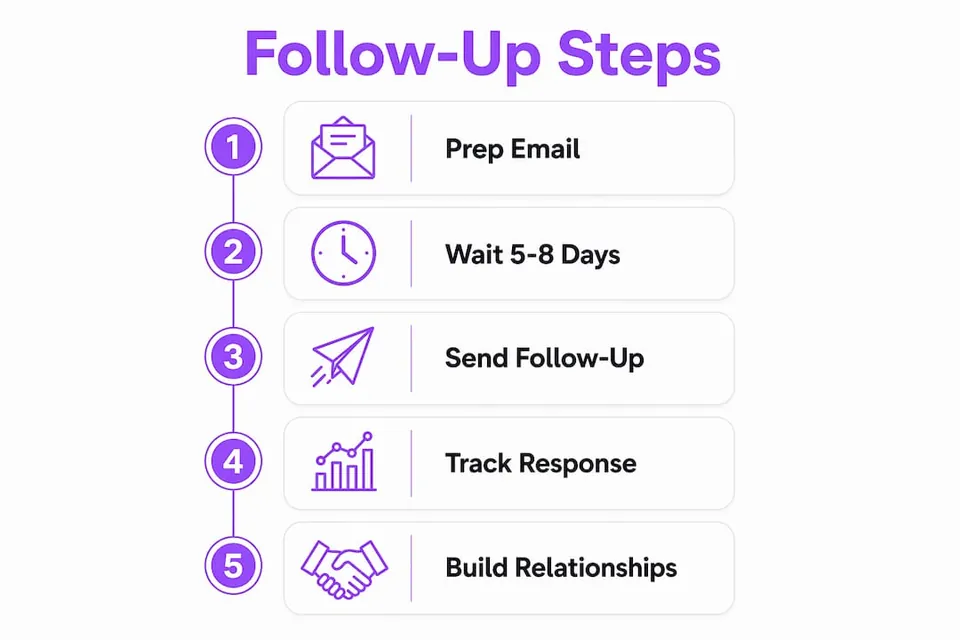
A basic spreadsheet works for artists just starting out. A dedicated outreach tool handles the complexity as your catalog and contact list grow.
| Method | What it does well | Where it falls short |
|---|---|---|
| Manual spreadsheet | Free, fully customizable, easy to start | No reminders, no automation, easy to neglect |
| General CRM tool | Tracks contacts and email history | Not built for music, requires manual setup |
| Specialized outreach tool | Tracks pitches, responses, and follow-up dates in one place | May have a learning curve or subscription cost |
| Playlist Pilot | Matches tracks to relevant playlists, stores curator contact info, and tracks pitch history | Focused on Spotify playlist outreach specifically |
Playlist Pilot stores direct curator contact details after each submission, which means you always have a record of who you pitched and when. That contact history makes scheduling follow-ups with curators straightforward rather than a guessing game.
Whichever method you use, log these five data points for every outreach: curator name, playlist name, playlist link, date of initial pitch, and date of follow-up. Review your log weekly to catch any follow-ups that are due.
How to build long-term relationships with playlist curators
Professional curators treat playlist placements as data points, but they value long-term relationships that involve ongoing support and genuine engagement. A single placement is a transaction. A relationship is a growth channel.
Building that relationship takes consistent, low-pressure contact over time. Here is how to do it without crossing into spam territory:
- Share their playlists publicly. Post the playlist on your social channels after a placement. Tag the curator. This gives them real exposure and costs you nothing. Tagging curators in posts rewards their support and promotes your music at the same time.
- Send a thank-you note with data. After a placement, message the curator with a specific metric. Something like "Your playlist brought in 3,000 new listeners last month. Thank you!" is short, specific, and memorable. Sharing playlist performance metrics builds goodwill and rapport that carries into future pitches.
- Update them on milestones, not just releases. If you book a tour, hit a streaming milestone, or get press coverage, send a brief note. You are not pitching. You are keeping the relationship warm.
- Engage authentically on social media. Comment on their posts. Share their content. Treat them as a peer in the music community, not just a gatekeeper.
- Respect the no. If a curator passes on your track, thank them anyway. Artists who respond gracefully to rejection are the ones curators remember positively when the next release comes around.
Consistent professional courtesy encourages repeated playlist features. One placement can turn into three or four over a year if you maintain the relationship properly. That compounding effect is what separates artists who grow steadily from those who plateau after a single campaign.
The curator outreach playbook from Playlist Pilot covers additional strategies for turning first-time placements into ongoing partnerships.
Key takeaways
Effective follow-up with playlist curators requires precise timing, concise messaging, systematic tracking, and genuine relationship-building to convert single placements into sustained streaming growth.
| Point | Details |
|---|---|
| Follow-up timing | Send your follow-up 5 to 8 days after your initial pitch, no sooner. |
| Message content | Include a thank-you, one performance metric, and a direct Spotify link. |
| One follow-up rule | Send one follow-up only; repeated messages without new context damage your reputation. |
| Track every pitch | Log curator name, playlist, pitch date, and response to avoid duplicates and missed windows. |
| Relationship over transaction | Share curator playlists, send milestone updates, and engage on social media to earn repeat placements. |
What I have learned from years of watching artists follow up wrong
The most common mistake I see independent artists make is treating the follow-up as a second pitch. It is not. A follow-up is a relationship signal. It tells the curator you are professional, organized, and genuinely interested in their work, not just their audience.
The artists who get consistent placements are not always the ones with the best music. They are the ones who show up professionally every time. They send the follow-up at the right moment, they keep it short, and they say thank you whether they get a placement or not. That pattern builds a reputation, and reputation travels in the curator community.
I have also seen artists blow real opportunities by following up too aggressively. Sending three emails in a week, sliding into DMs after getting no email response, or adding curators to a mailing list without permission are all ways to get permanently ignored. One follow-up, done well, is worth more than five desperate ones.
The artists who grow the fastest treat their pitching approach like a professional practice. They have a system, they stick to it, and they review what works. If you build that habit early, the compounding effect on your streams and curator relationships will show up within a few months.
Patience is not passive. It is a deliberate choice to play the long game, and in playlist promotion, the long game wins.
— Zander
Playlist Pilot makes curator follow-up easier for independent artists
Managing follow-ups across dozens of curators gets complicated fast. Playlist Pilot was built specifically for independent artists who want to pitch and follow up without losing track of who they contacted or when.
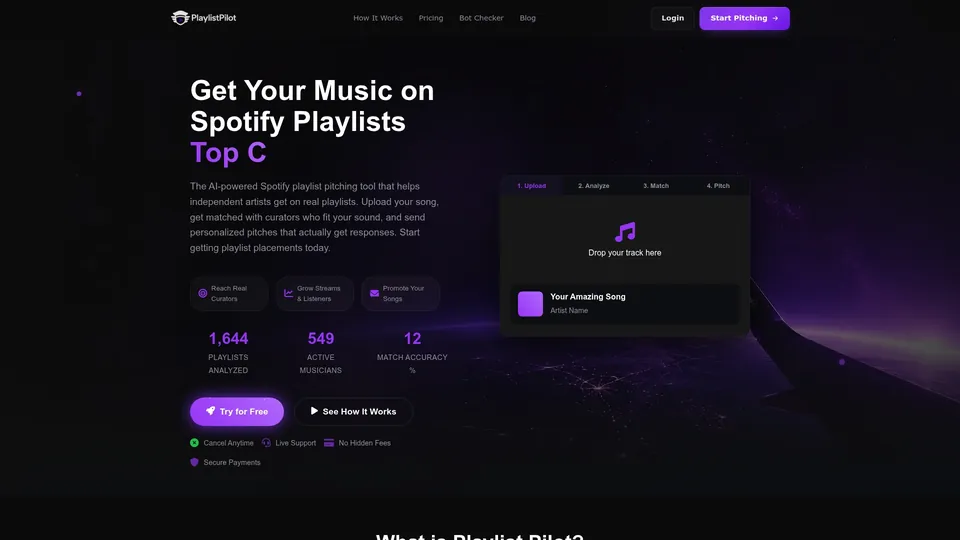
Playlist Pilot uses AI to match your track to relevant playlists based on its audio characteristics, genre, and mood. After each submission, it stores the curator's direct contact information so you always have it for future follow-ups. There are no per-pitch fees, which means you can build relationships at scale without worrying about cost. With a 47% average curator response rate, the platform gives your music a real shot at placement.
Ready to Get Real Playlist Placements?
Join Playlist Pilot and connect with curators who'll actually listen to your music.